
The Alienists
Reflections on two stories of women who were institutionalized as “insane” by their abusive husbands—stories that took place in societies as different as Brazilian and Swiss society—illustrate the power of patriarchy in today’s world and show that women must continue their feminist struggle.

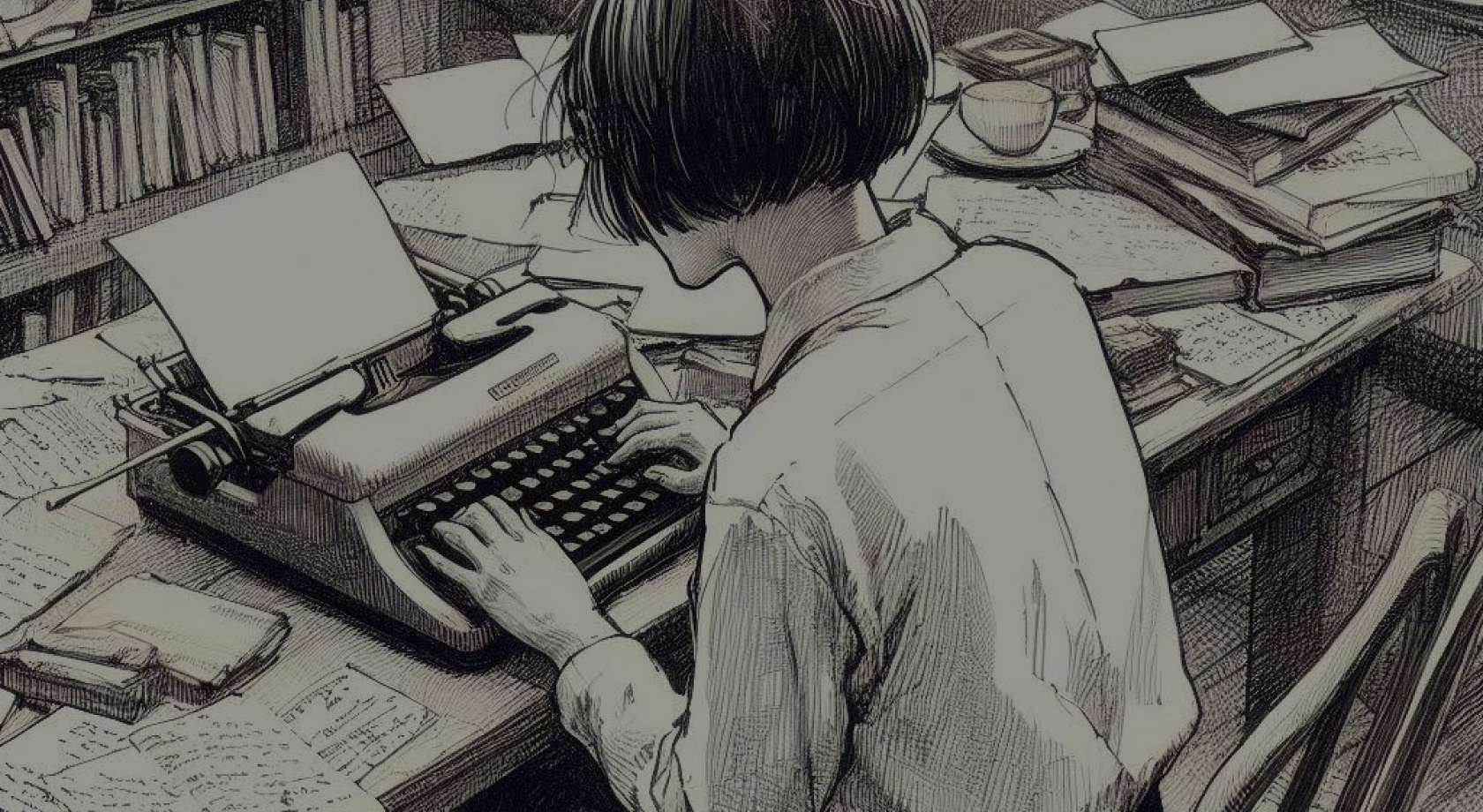
Ilustration by Bing Image Creator
Today dawned beautifully. When I opened the curtains, I was greeted by a cloudless blue sky, like the ones in a children’s book illustration. A row of flowering manacás lining the curb completed the springtime scene, even though winter still has a month to go. Even the little dwarf trees, recently planted, are already covered in blossoms. Canela is in a festive mood!
After setting the table and serving food to the dog, the cat, the wild birds, and the coati—who now comes to feast on fruit at the bird feeder—I finally sat down to have coffee and read the latest news on Instagram. I immediately felt the sky filling with clouds.
The first news story I read was about the case of writer Helena Lahis, who was committed to a psychiatric clinic by her husband in retaliation for her request for a divorce. How is this still possible? Until then, I had believed that the days when a husband’s word alone was enough to have his wife committed had ended at the turn of the century. However, Helena’s story is proof that the life of a woman today sometimes seems to be inspired by a novel by Machado de Assis.
With my mind lost in daydreams, I recalled the story of a Brazilian friend who, during her travels around the world, met a European man and ended up leaving her life in Brazil to marry him and live in a Swiss village. This incredibly romantic story made her the object of secret envy among her group of friends. Ten years later, during a trip I took through Europe, I stayed at her house for two days. On that occasion, I was stunned to discover that the attention she had shown me had prompted him to declare war on me: on the day of my departure, he insisted on driving me to the train station. We left with plenty of time to spare, yet he drove so slowly through the deserted streets of the city that we arrived at the station just two minutes before the train’s departure!
At the time, I assumed that my friend’s misdiagnosis was the result of cultural differences between Brazilians and the Swiss. The Swiss tendency toward excessive rigidity, combined with the impetuous behavior of Brazilian women, had prevented the doctor from identifying the cause of his patient’s symptoms: a woman whose marriage was in crisis and who was approaching menopause. Today, however, looking at the case of Helena Lahis, I wonder if my friend’s hospitalization wasn’t also requested by her husband as a way to suppress an imminent request for divorce.
Two such similar stories set in different societies and on opposite sides of the globe show that patriarchy is doing just fine, thank you very much. We women still have to fight hard to claim our place under the sun as citizens deserving of respect. And that’s a little depressing!
Translated with DeepL.com (free version)
Voltar