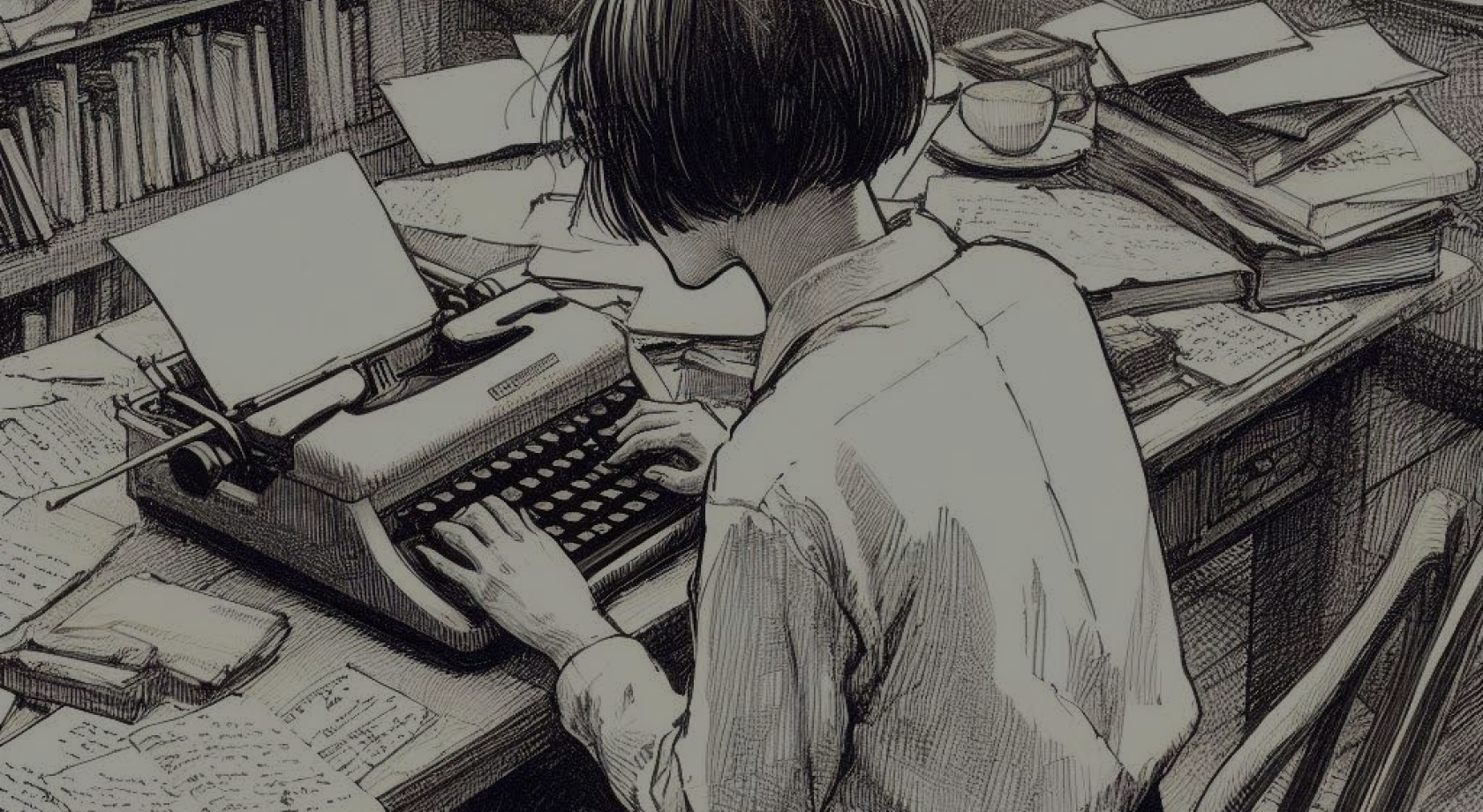

Játáti and the Forest Orphan (Tales of Taquiti 1)
This story is loosely based on the legend of Awkê—the boy who died to become a white man. It takes place in the 1930s, when the Timbira Indians of the Gavião Parkatêjê people (from the middle Tocantins River region in Pará, Brazil) first came into contact with white men.
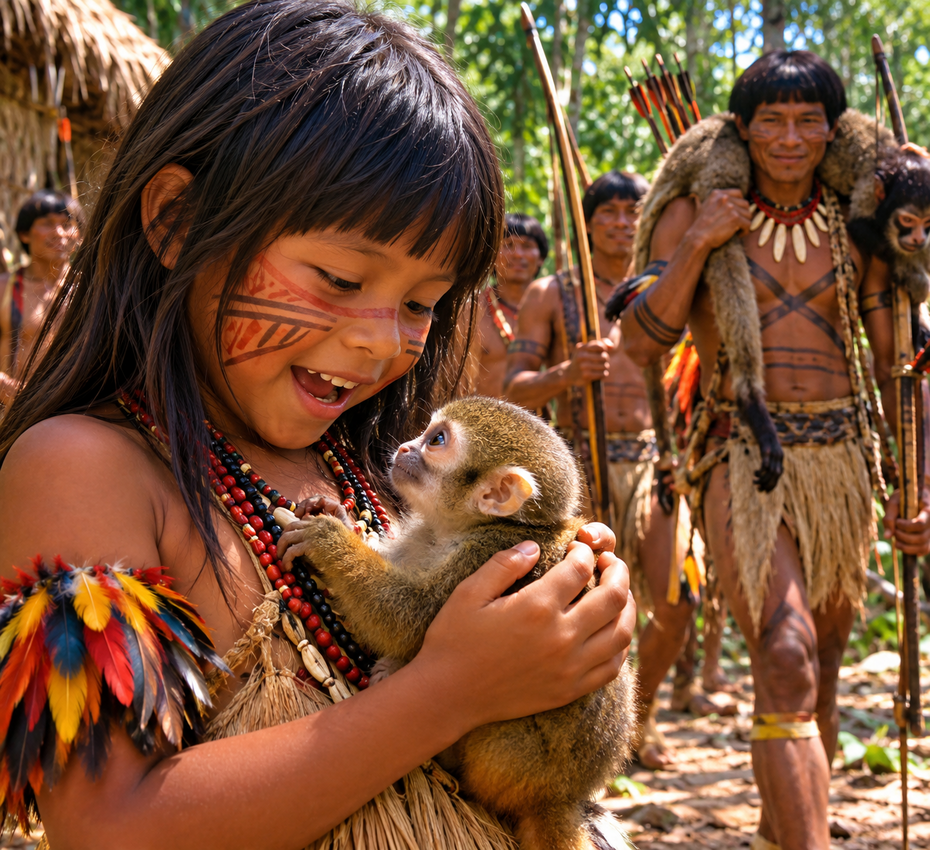
illustration by chatGPT
— Now everything is quiet; it’s time to sleep. Close your eyes and listen to the birds outside. Every time you hear a chirp, count it. Let’s see who can count the most!
“Oh, Nhá Taquiti, tell the story of Játáti one more time. It’s been a while since you’ve told us about your grandmother’s life when she was still a little girl,” said the girl Clara, while the old Indian woman tucked the two children in under the linen sheets and opened the bedroom window to let in the cool night air coming from the direction of the Tocantins River. Takwyiti was a Timbira Indian woman who had become a housekeeper for Clara and Mateus’s parents as soon as they moved to the village where the Brazil nut processors lived in the 1980s. Ever since Clara and her twin brother were born, she had become their nanny and loved those children as if they were her own.
“All right, all right,” she said, and began to recount her grandmother’s childhood:
“Játáti was a petite, agile girl with coppery skin, long, straight dark brown hair, and rosy cheeks. She never sat still, running barefoot along the village paths and the trails that led to the streams. Even when dressed only in a belt made of tucum fibers, from which a few green leaves were hung to form a fluffy skirt, her hair was always drenched in sweat due to the humid heat emanating from the Amazon rainforest and her ceaseless running around with the tribe’s children.
Amid the lustrous strands of her hair, which smelled of green foliage and fresh river water, one could often see a pair of sparkling little eyes and two dark little hands, with perfect little fingers just like yours. “Who was it, hmm, my -kra?”
“Rore, the little monkey!” the two children shouted in unison, clapping their hands excitedly.
“When Játáti was seven years old, her father brought her a baby monkey as a gift—one that had just been orphaned. Its mother had been killed by a well-aimed arrow during a hunt, and now the monkey was being carried on the Indian’s shoulders, as he smiled at his daughter, proud of his achievement. When Játáti held that tiny little monkey in her arms for the first time, she was so thrilled that she barely noticed the celebration the other Indians held to rejoice in the success of the hunt and the sharing of the roasted meat. From that day on, Játáti and Rore were inseparable.
Játáti took the task of caring for the little orphan seriously, and before long she had already learned how to feed him, keep him warm, and recognize his little cries of hunger and discomfort. He spent the entire day clinging to her body or her hair, and at night they slept together in the same hammock. They were only separated when the monkey ran off to nurse at the breasts of another indigenous woman who had just given birth. While nursing, the little rascal would watch intently as the newborn—from whom he’d stolen the breast—received care from the other women. Well-fed and treated with affection by the women, Rore grew up quickly and in good health, and was considered a member of the tribe by the other Indians.
Játáti was famous in the tribe for being a curious girl who liked to follow the women out to the fields during sweet potato harvest season. This was no coincidence, since one of the things she loved most in this world was boiled sweet potatoes, especially the biggest and yellowest ones. These were hers, and that was that. Although Rore was used to receiving some food whenever he held out his hand to her, he knew very well when it wasn’t worth insisting. On the occasions when Játáti ate sweet potatoes, he would turn his back on her, shouting at the top of his lungs in frustration.
Until then, the Gavião Parkatêjê Indians had never had any contact with white people. Life for the Indians in the village of Timbira was simple but full of freedom. The days passed slowly amid tending the fields and caring for the children, gathering chestnuts and fruits, preparing food, and weaving baskets. The children ran freely among the thatched houses arranged around a central, dirt-packed courtyard. There were no walls, no wealth, and no inequalities. The men were responsible for hunting and the occasional territorial disputes with Indians from rival villages.
However, in the early 1930s, merchants, boatmen, and laborers came from Maranhão, drawn by the Brazil nut harvest, and settled in the middle Tocantins River region, near its tributaries. At first, they camped near the riverbanks, far from the indigenous villages, which were located deeper within the forest. But as the harvesting of Brazil nuts progressed, they began encroaching on the forest.”
“Was that when the boy Awkê was born?” asked Mateus, rubbing his sleepy eyes but savoring every moment of listening to Nhá Tiquiti tell the stories of her tribe.
-“No, no, no. The story of the boy Awkê’s birth will have to wait until tomorrow. Now it’s time to turn off the light and go to sleep.”
Dear reader, if you’d like to read the rest of this story, click here (please wait for publication).